
Custom operations software
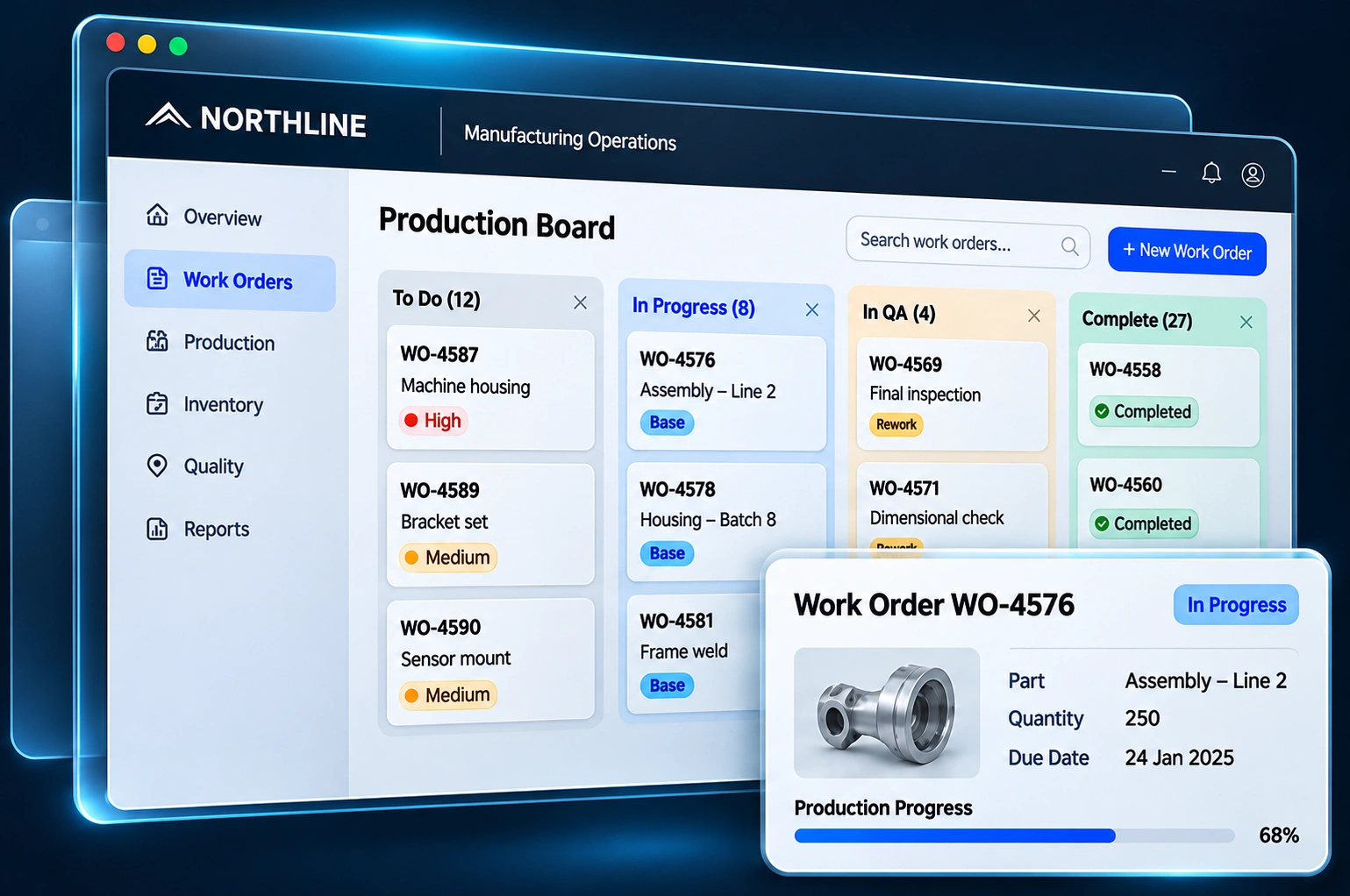
See which orders are ready, which are blocked, and who owns the next action. The concept shows what a shared production view could replace when updates are spread across spreadsheets.

Operations & technology solutions
DNAction helps operations teams cut the manual work between systems. We build custom software, connect existing tools, and improve the way teams manage inventory, reporting, and day-to-day handoffs.
Based in Minnesota · Built around your operation
Reduce manual handoffs.
Find inventory and reporting gaps.
Give your team tools that fit.
INTERACTIVE CAPABILITY DEMO
Three exceptions can affect how the same part is purchased, counted, or reported. Work through a sample item master and see exactly what your decisions change.
DNAction / DATA READINESS LAB
The original eight records stay intact as you work. Order quantities are shown in each record’s purchase unit.
FROM FRICTION TO FORWARD
When teams rekey the same order, reconcile inventory in spreadsheets, or chase an approval through email, the problem often sits between systems. We map how the work moves, identify where it stalls, and build around the people and tools already involved.
OUR SERVICES
Build an internal application, customer portal, or integration around the rules your team actually follows. We define the first useful release, show it in a working review, and document how your team will use and maintain it.
Get item, vendor, or other operational records ready for an ERP migration or more reliable reporting. We agree on naming and unit rules, flag exceptions for review, and document what changed so your team can repeat the process.
Get hands-on help with an inventory, purchasing, or planning problem. We agree on the priority, work through it with the people who run the process, and leave them with a routine they can own.
Put a specific job on the device people already carry, from recording an inspection to checking project status. We map what needs to happen on location, then scope a first release for iOS, Android, or mobile web.
Give buyers a clear path from finding your business to asking for help. We build service pages around the questions customers ask, improve search visibility, and make the inquiry path easy to follow.
A FOCUSED STARTING POINT / ERP READINESS
Before migration, decide which records are ready to load and which need review. We help clean up item and vendor data, confirm inventory and unit rules, and document open decisions your implementation partner needs before cutover.
MOBILE APP DEVELOPMENT
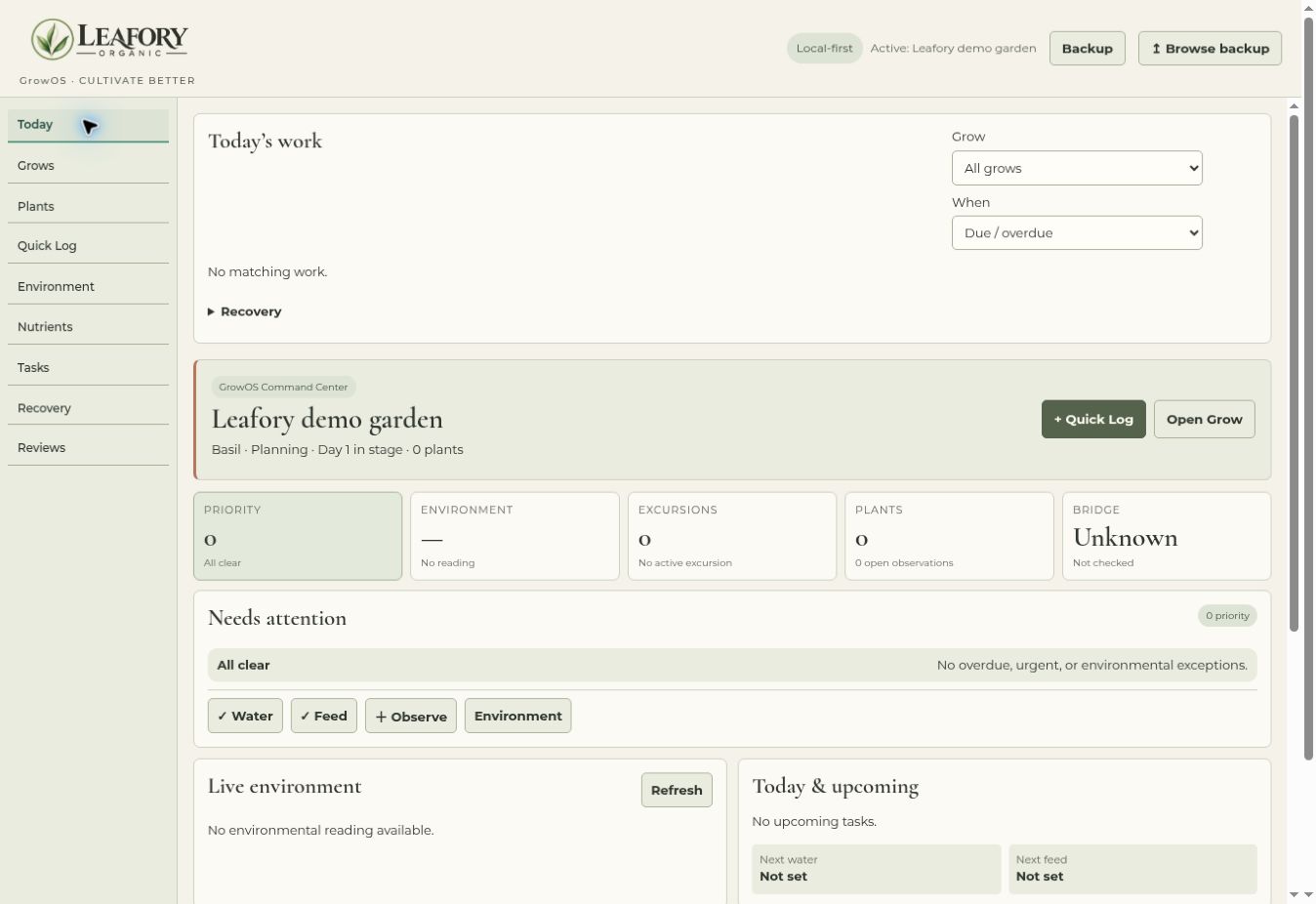
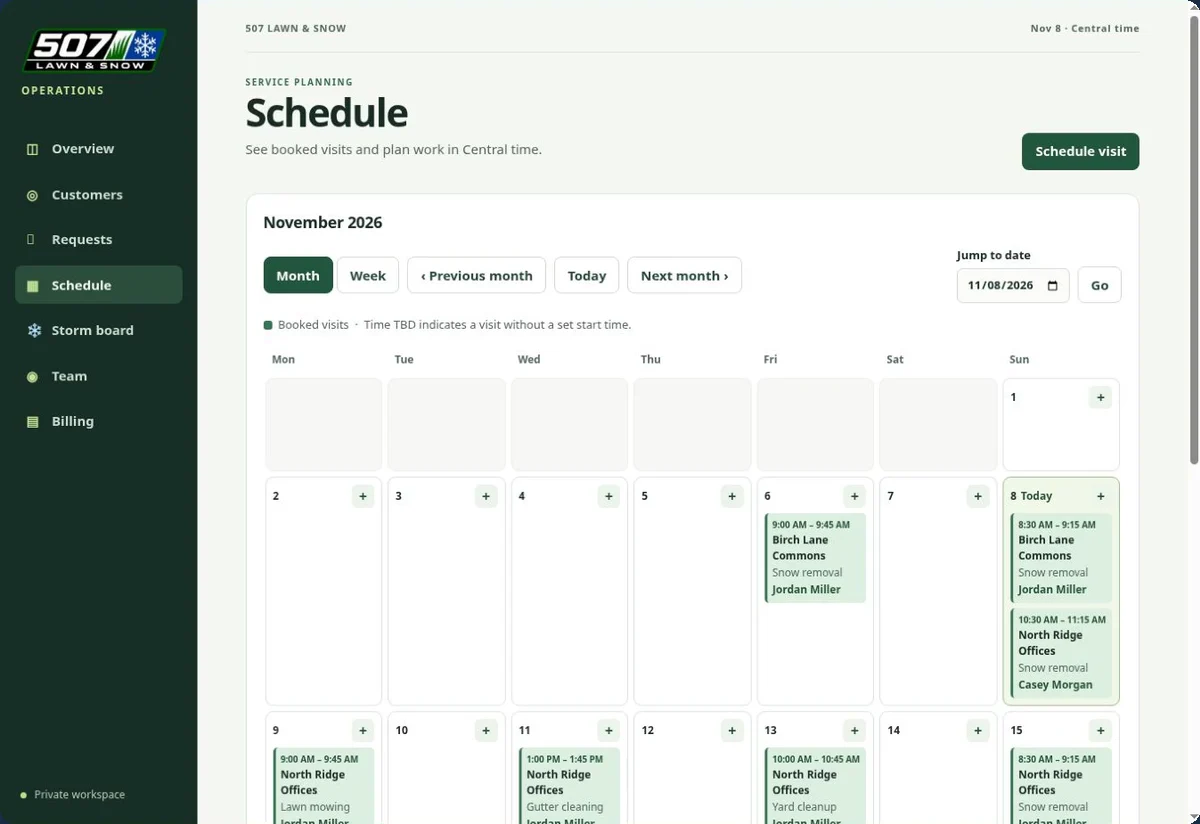
See how a crew member finds the next assigned stop in 507 Crew, then explore a grower’s daily workspace in Leafory GrowOS and a bed layout in Garden Planner.
Explore the mobile concepts ↗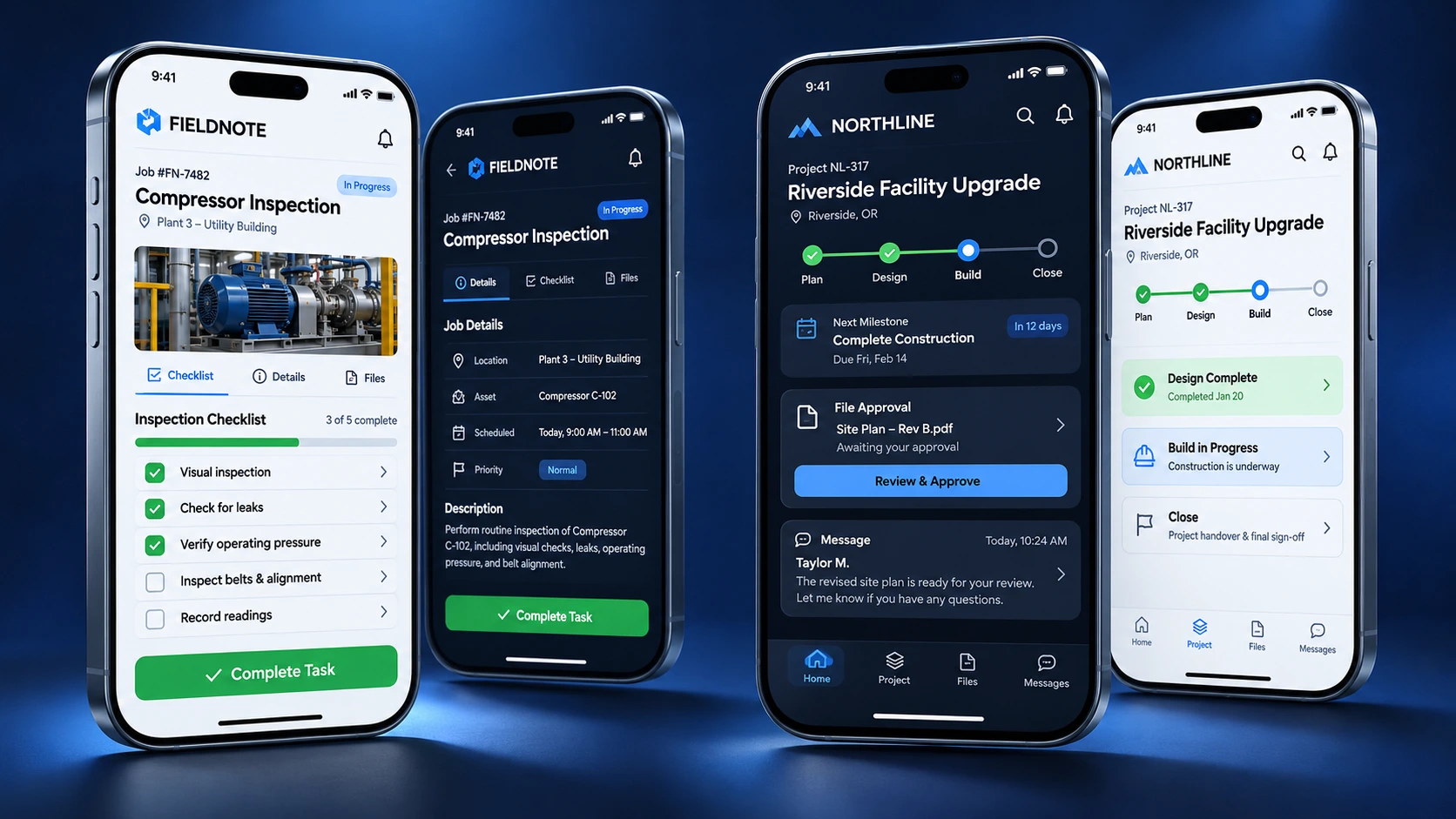
BUILT HERE. READY TO EXPLORE.
Explore real screens from four tools DNAction built for recurring operations work. Start with the job you need to improve: cleaning records, reconciling inventory, reviewing performance, or documenting how work gets done.
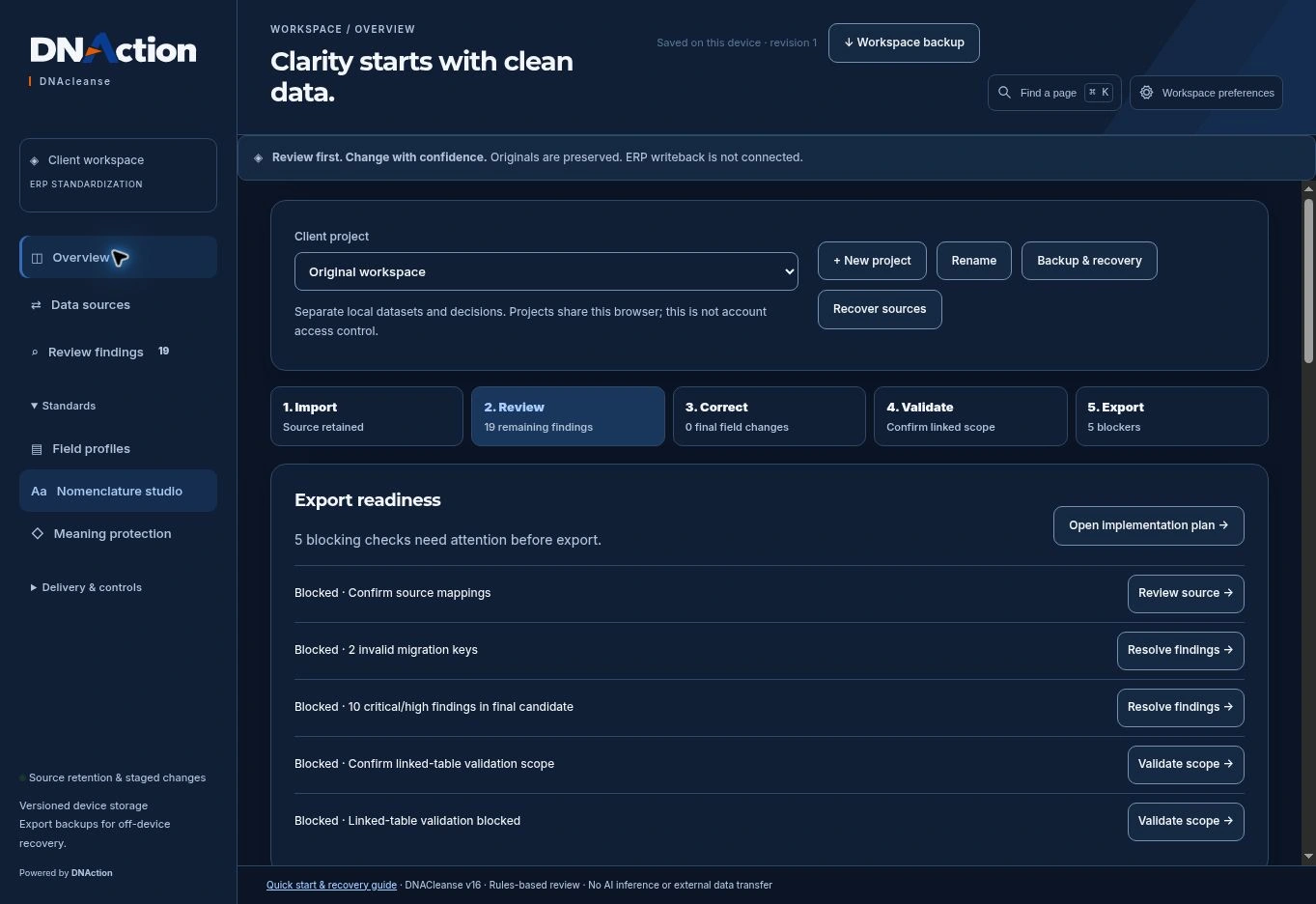
DNA CLEANSE / BUILT BY DNACTION
Review messy operational data before importing it or using it in reports. Compare sources, define naming rules, and give reviewers a place to work through exceptions.
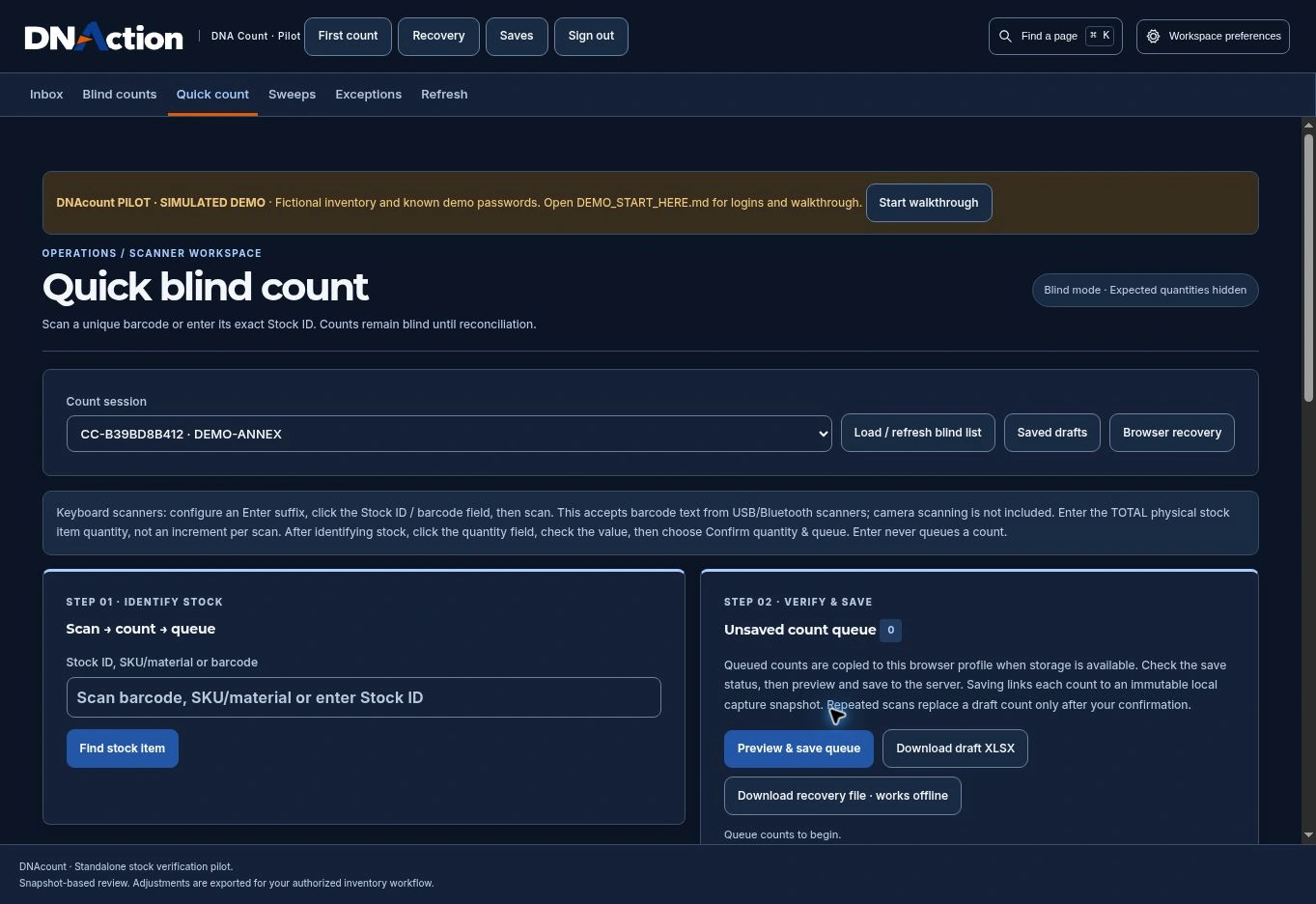
DNA COUNT / BUILT BY DNACTION
Capture what’s physically there with blind counts, then compare it with the expected balance. Review discrepancies before deciding which ones need a recount or follow-up.
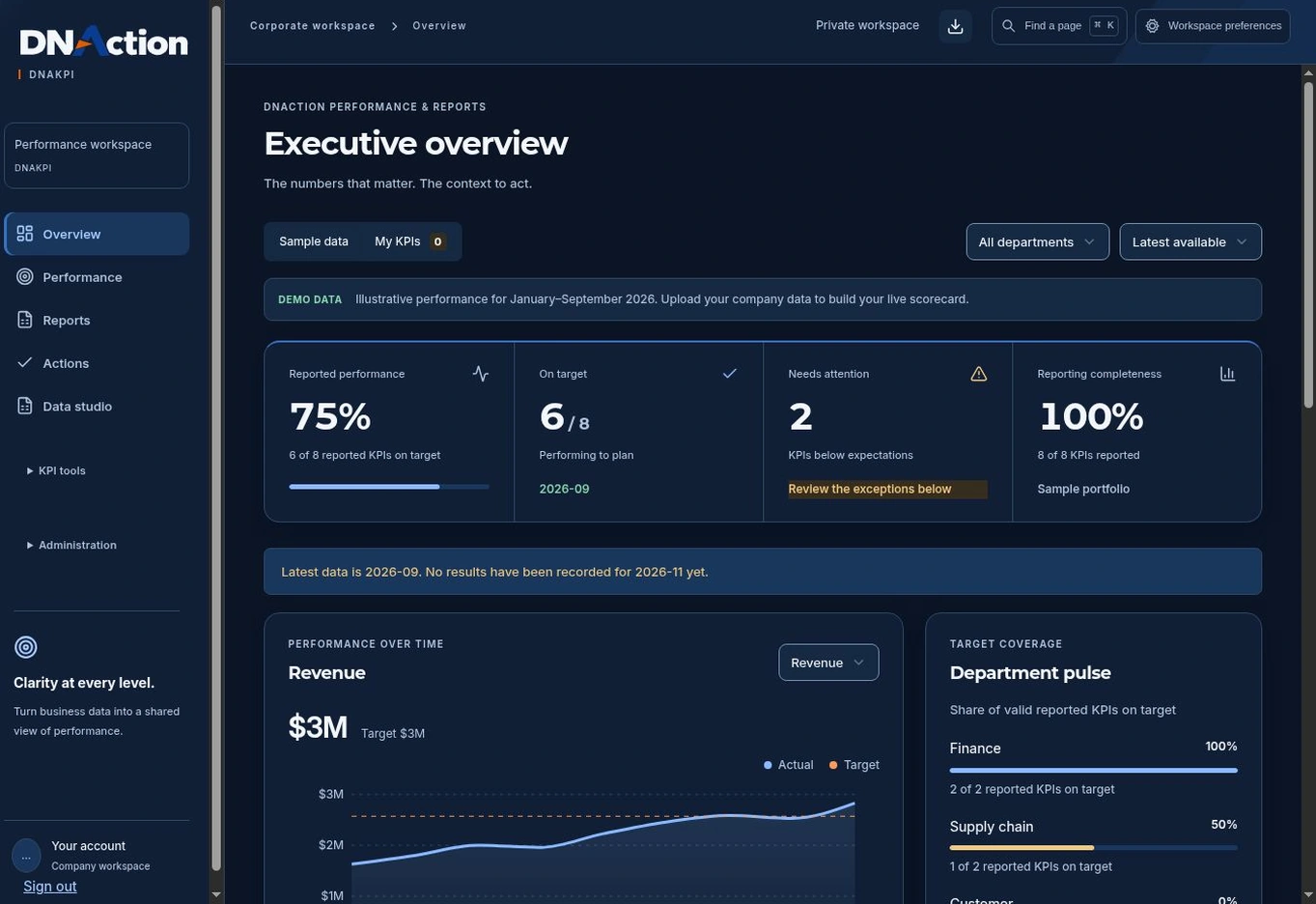
DNA KPI / BUILT BY DNACTION
Bring recurring measures into one view. See where reporting coverage is missing, who owns each measure, and which changes need a closer look at the next review.
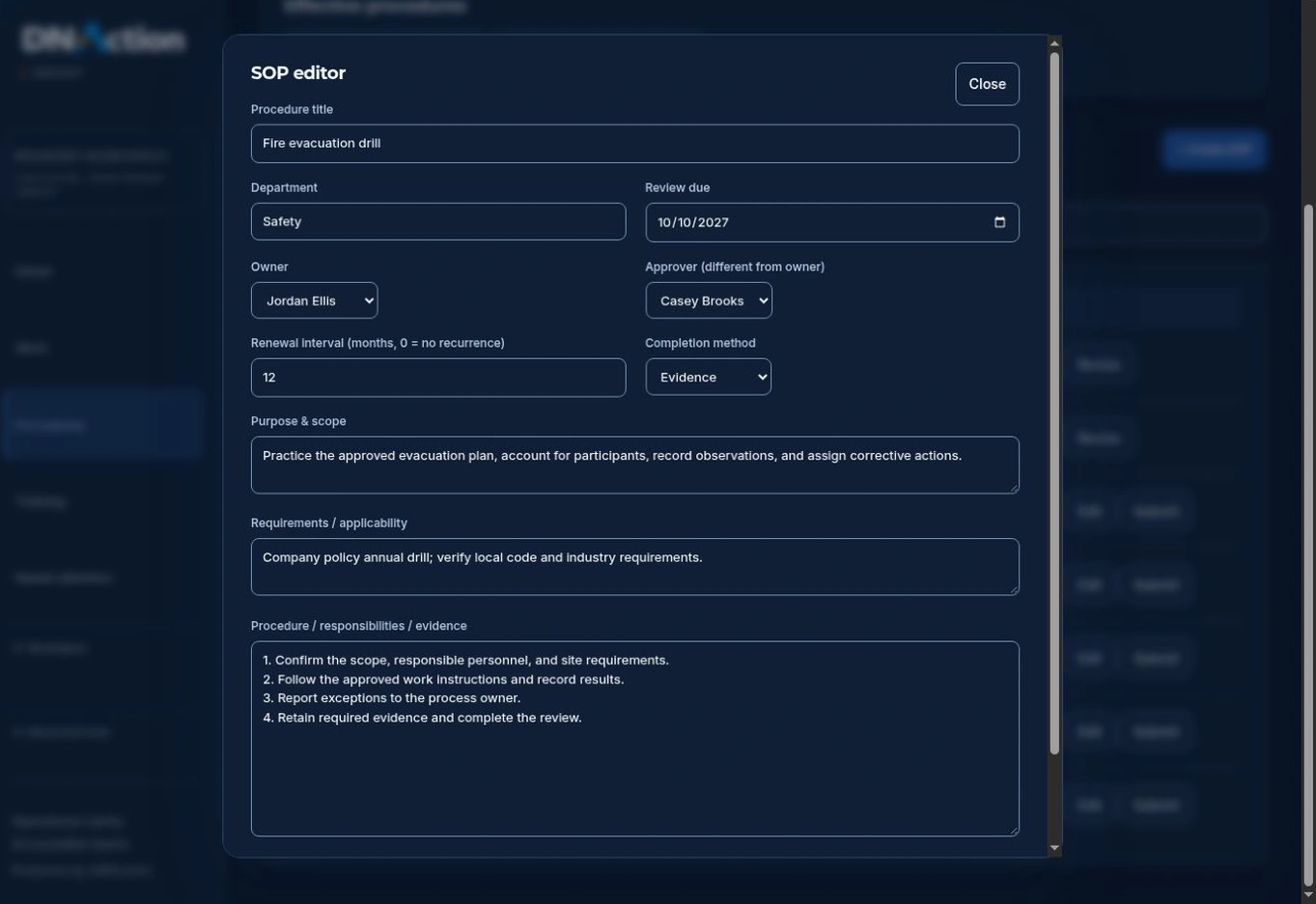
DNA SOP / BUILT BY DNACTION
Give teams one place to organize procedures, see who owns each step, and review instructions as the process changes.
Actual product interfaces · Sample or setup workspaces
Explore the complete software collection ↗IMAGINE YOUR NEXT PROJECT
Illustrative project concepts · Fictional brands and sample data · Not client case studies.
See which orders are ready, which are blocked, and who owns the next action. The concept shows what a shared production view could replace when updates are spread across spreadsheets.
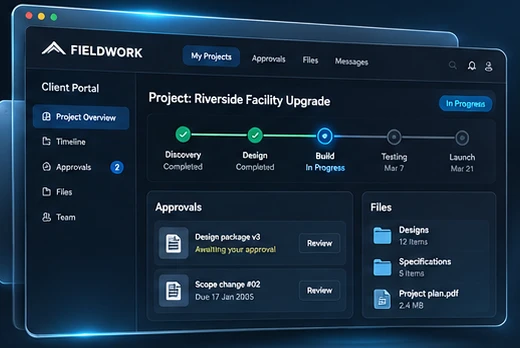
Let customers review a milestone, approve the next step, or find a file in one place. The concept gives the project team a visible record of what is waiting on the customer.
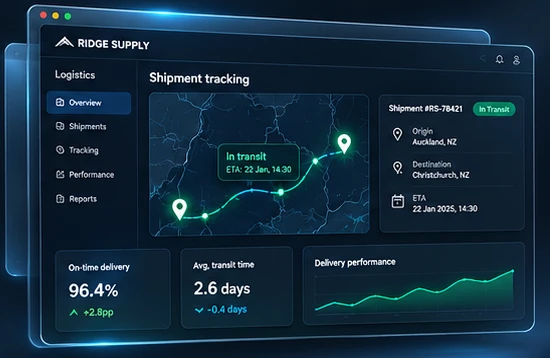
Give an operations team one place to spot a late shipment, see what happened, and decide who needs to follow up.
If one of these examples resembles your operation, use it to point out what you’d keep, what you’d change, and what your team needs to do next.
WORKING WITH DNACTION
We work through the current journey with the people closest to it: the information they use, decisions they make, and exceptions that interrupt progress. The aim is to identify a specific problem, its impact, and a useful way to assess improvement before recommending a build.
You see: a written problem statement.View a sample artifact ↗Translate the problem into a proposal that identifies deliverables, exclusions, dependencies, responsibilities, price, and acceptance criteria. We distinguish the essential first release from later possibilities and confirm the access, content, and decisions needed from your team.
You see: scope and acceptance criteria.View a sample artifact ↗Review concrete progress through prototypes, working software, or structured outputs appropriate to the project. We test the agreed journey, record decisions, and address feedback against the scope. Changes with a material effect on cost or timing are discussed before they become commitments.
You see: working reviews and a decision log.View a sample artifact ↗Confirm the acceptance checks, prepare the release, and document how the result will be used and maintained. The handoff identifies access, ownership, known limitations, open items, and support responsibilities so your team understands what happens after the project closes.
You see: handoff and next-step plan.View a sample artifact ↗FIND YOUR STARTING POINT
Start with the problem you see most often. Pick a challenge below to find a relevant service and get a clearer idea of what the first conversation could cover.
PRACTICAL ANSWERS
Yes. Start with the problem, the people affected, and the outcome you want. We can assess the current workflow, explore a prototype, or define a first release before a larger implementation. The next step should reduce a specific uncertainty, whether that concerns process, data, user experience, or technical feasibility.
You should be able to understand what the work will produce, what it excludes, what it depends on, and how it will be accepted. We also identify the schedule, price, responsibilities, and any separate costs or support arrangements. You can review those terms before deciding to proceed.
LET’S MAKE WORK FLOW